
PROMPT This AI Challenge
"Straight Talk on AI: Building Smarter Teams and Customer Experiences" featuring Chris Angus
Every episode of the PROMPT This podcast ends with an AI Challenge—a hands-on experiment to turn AI theory into practical skill.
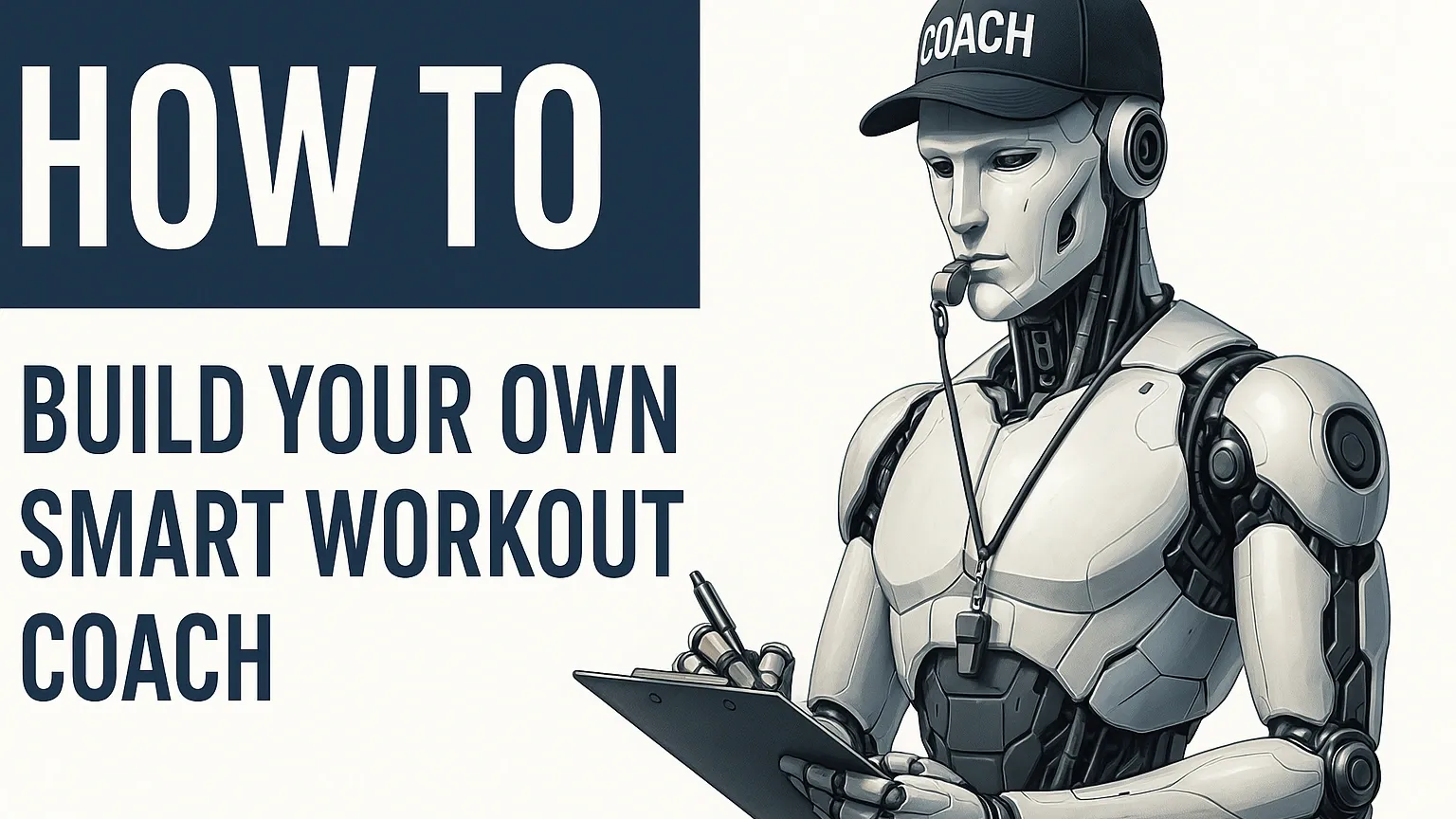
All work and no play is no fun at all. This challenge transforms how you approach fitness planning, an arguably critical component of performing at your best in the business world. Instead of following someone else’s program, you’ll use AI to design a workout plan that adapts to your goals, schedule, and motivation patterns. Think of it as hiring a personal trainer who learns your habits in real time.
This challenge is about designing your own AI fitness ecosystem—not just a one-off workout plan. You’ll use AI to create a trainer persona that learns your habits, tracks your progress, and evolves with your fitness journey. Think of it as a project that captures your conversations, insights, and adjustments over time.
By the end, you’ll have a living record of your goals, workouts, and the dialogue that helped shape them.
Step 1: Design the Workout Project Workspace
Set up a ChatGPT Project where every interaction with your AI trainer is saved. Then create Project prompt instructions that match your fitness goals.
Example Prompt Instructions:
“Act like a virtual fitness coach named ‘Ava’ who specializes in functional training for busy professionals. She’s encouraging but direct, tracks metrics weekly, and adjusts programs based on feedback.”
Step 2: Personalize the Workout to You
Then, ask your AI trainer to interview you. This helps define your goals, preferences, and limitations with context that feels human.
Example Follow-Up:
“Ava, ask me 10 questions to personalize my fitness plan and understand my mindset.”
Step 3: Train and Track Through Conversation
After every workout week, return to your AI trainer and update them. Share what worked, what didn’t, and how you felt. Ask for revisions and insights.
Example Prompt:
“Ava, here’s my feedback for week 2: I missed one day, had low energy midweek, and my knee felt sore. Adjust next week for better recovery.”
Over time, these conversations reveal patterns that most fitness apps can’t detect—motivation triggers, plateaus, and personal preferences.
Step 4: Automate and Analyze Progress
Ask AI to turn your feedback into structured insights or summaries. Use tables, charts, or progress journals to visualize performance trends and consistency.
Example Prompt:
“Summarize my last four weeks into a table showing workouts completed, energy levels, and notes on progress. Add a motivational summary at the end.”
You can also prompt your AI trainer to check in with you:
“Each Monday, remind me of my goals and help plan the week’s workouts.”
Step 5: Reflect and Evolve the Persona
As you grow, so should your AI coach. Update the trainer’s style based on your evolving preferences—maybe you need more accountability, less intensity, or deeper wellness coaching.
Example Prompt:
“Evolve Ava into a more holistic coach—include mindset, nutrition, and recovery strategies in her guidance.”
AI Prompts
-
Create an AI fitness coach persona and define their coaching philosophy.
-
Build a weekly fitness tracking table that updates from my feedback.
-
Summarize my chat history with my trainer into actionable insights.
-
Act as my AI coach and schedule a check-in every Monday morning.
-
Revise my AI trainer persona to align with new fitness goals.
Final Thought
This isn’t about a single plan—it’s about creating a system that learns you. By documenting conversations, progress, and persona evolution, you build a dynamic relationship with your AI trainer that gets sharper every week. The result is not just better workouts, but a smarter understanding of yourself—powered by an intelligent coach who never forgets your journey.
