Most professionals are not short on answers. They are short on time, context, and repetition tolerance.
You answer the same questions every week. Pricing logic. Positioning guidance. How you would respond to a customer email. What matters in a board update. What tradeoffs you typically make. Your team pings you because you are the system of record.
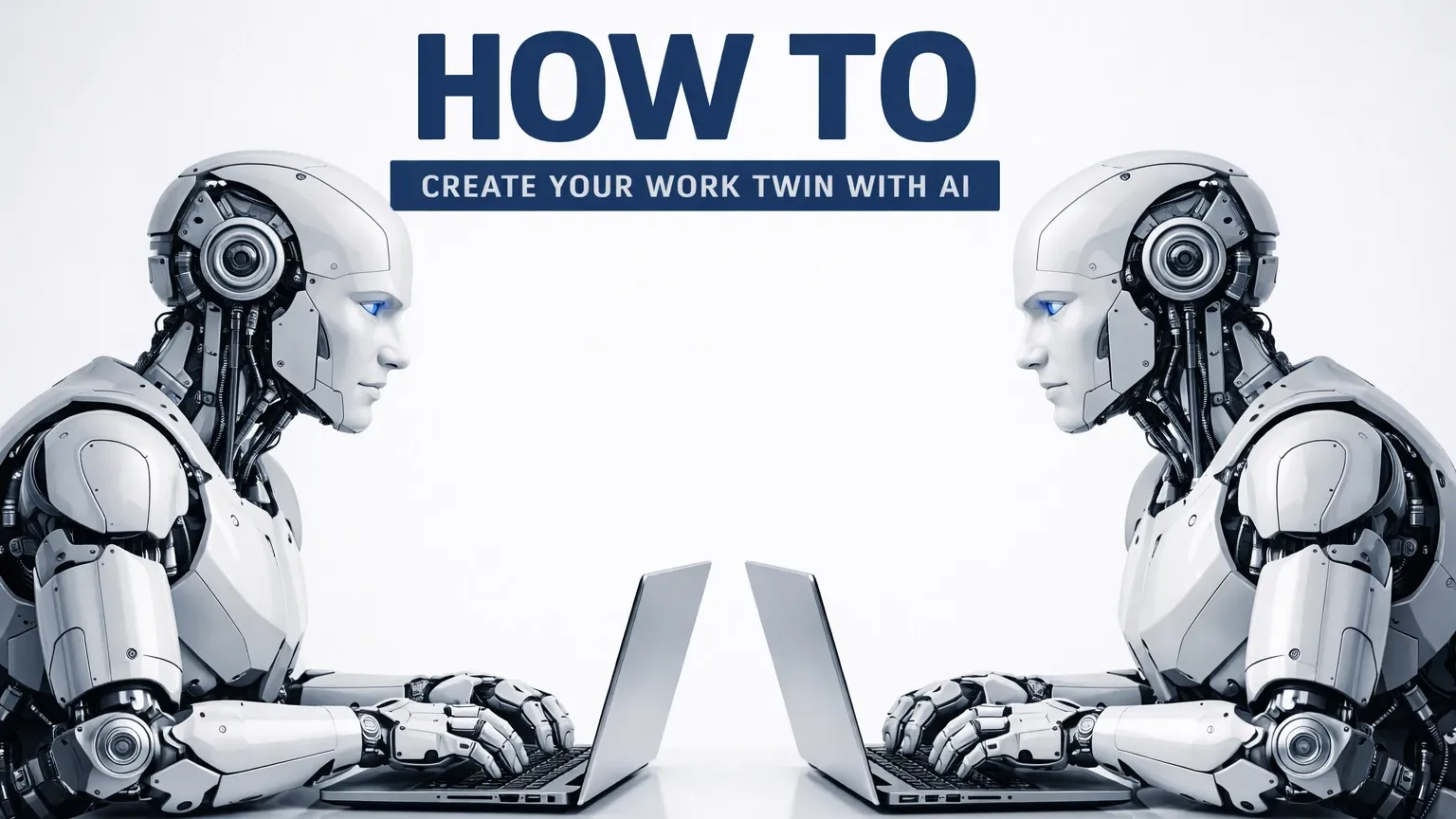
This AI Challenge walks the reader through creating a digital work twin in ChatGPT to answer those simple questions for you. Not a chatbot. Not a knowledge base. A practical proxy that answers work questions the way you would, using your judgment, tone, and priorities.
This is a simple way to think through tough problems with your digital twin or for your colleagues to get a preview of how you would typically answer a question. Keep in mind, there is no human judgement being applied. This is just the most likely response you would give based on an AI algorithm.
The goal is leverage, not novelty.
What a “Work Twin” Actually Is
A work twin is a narrowly scoped AI system trained on how you think at work, not who you are as a person.
It captures:
- Your decision criteria
- Your preferred framing and language
- Your default assumptions
- Your tradeoffs under pressure
It does not replace judgment. It reduces repeat explanations. And it does not answer personal questions.
In manufacturing, this might answer supplier tradeoff questions.
In product companies, it might explain roadmap rationale.
In services firms, it might draft responses aligned with your delivery philosophy.
If your absence slows decisions, you are the bottleneck. A work twin removes friction without removing accountability.
The Challenge Brief
Objective
Create a custom GPT that answers internal work questions as you would.
Time Required
45 to 60 minutes.
Tools
ChatGPT with custom GPT creation enabled. No coding required.
Outcome
A reusable AI assistant your team can query for guidance before escalating to you.
Step 1: Define the Scope Ruthlessly
Your work twin should not answer everything. It should answer a specific category of questions where your judgment is repeatedly requested.
The types of questions it could answer for you vary widely based on your role, but here's just a few to get the ideas going.
- How you qualify and disqualify opportunities
- How you choose messaging angles for a campaign
- How you balance usability tradeoffs (clarity vs speed, simplicity vs flexibility)
- How you prioritize roadmap items
Open a text editor and write the role you want the digital work twin to adopt.
“I am (name), (title), (company). Act like my digital work twin and answer questions from my point-of-view.”
Now create a constraint statement:
“This GPT answers questions about ___ using my judgment and preferences.”
And to keep the GPT focused on work topics, add the following constraint sentence:
“This GPT politely declines to answer any questions about anybody’s personal life or non-work related questions.”
Step 2: Extract Your Decision Logic
Now we are going to expand on your work twin by describing how you make decisions.
Expand on the constraints you've defined above by adding the answers to these questions about your approach to decision-making.
- What is something that people might misunderstand about one of your common work decisions?
- What do you almost always say no to at work?
- What or who do you usually trust even when the data is unclear?
- What work mistake do you warn people about most?
This is not philosophy. This is operating logic.
Manufacturing leaders often bias toward reliability over unit cost.
Product leaders often bias toward customer pain over feature parity.
Services leaders often bias toward trust preservation over short-term margin.
Your twin must reflect your bias.
Step 3: Take a Personality Test
Coaching your digital work twin to share your personality traits is a key step in tuning in this custom GPT. Simply take an online personality test and the results to your prompt instructions.
We recommend using the personality test at 16personalities.com. 16 Personalities is a widely used self-report personality typing tool based on the Myers-Briggs Type Indicator (MBTI) framework. Easy to use. Easy to understand. Easy for ChatGPT to work with. And lots of great guidance on the website for you based on your four letter personality type.
Add this sentence to the constraint statement.
“I am a ____ personality type according to 16personalities.com. Answer in line with my personality type.”
Step 4: Capture Your Voice and Constraints
Your team does not just want answers. They want answers delivered your way.
Document:
- Tone expectations (direct, diplomatic, concise)
- Formatting preferences (bullets vs narrative)
- Constraints you always mention (budget, compliance, brand risk)
Also define hard limits:
- What the GPT should never do
- When it should advise escalating to you
Add these questions and answers to your constraint statement, This protects both you and the output.
Step 5: Build the Custom GPT
In ChatGPT:
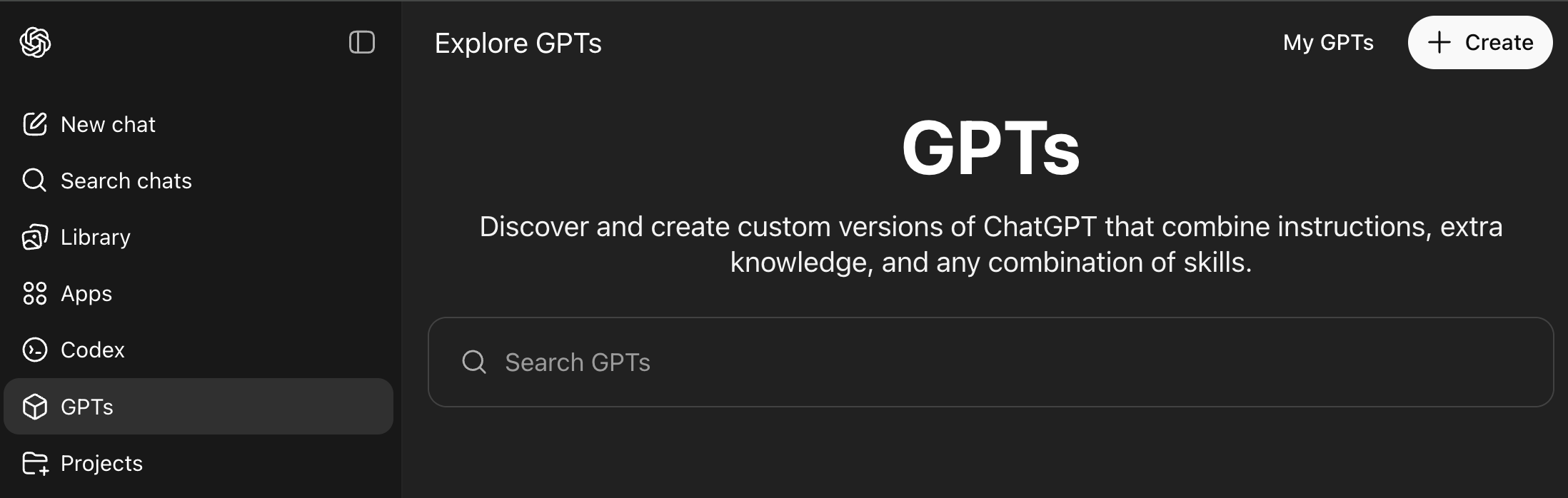
- Create a new custom GPT
- Name it clearly, using your role, not your name
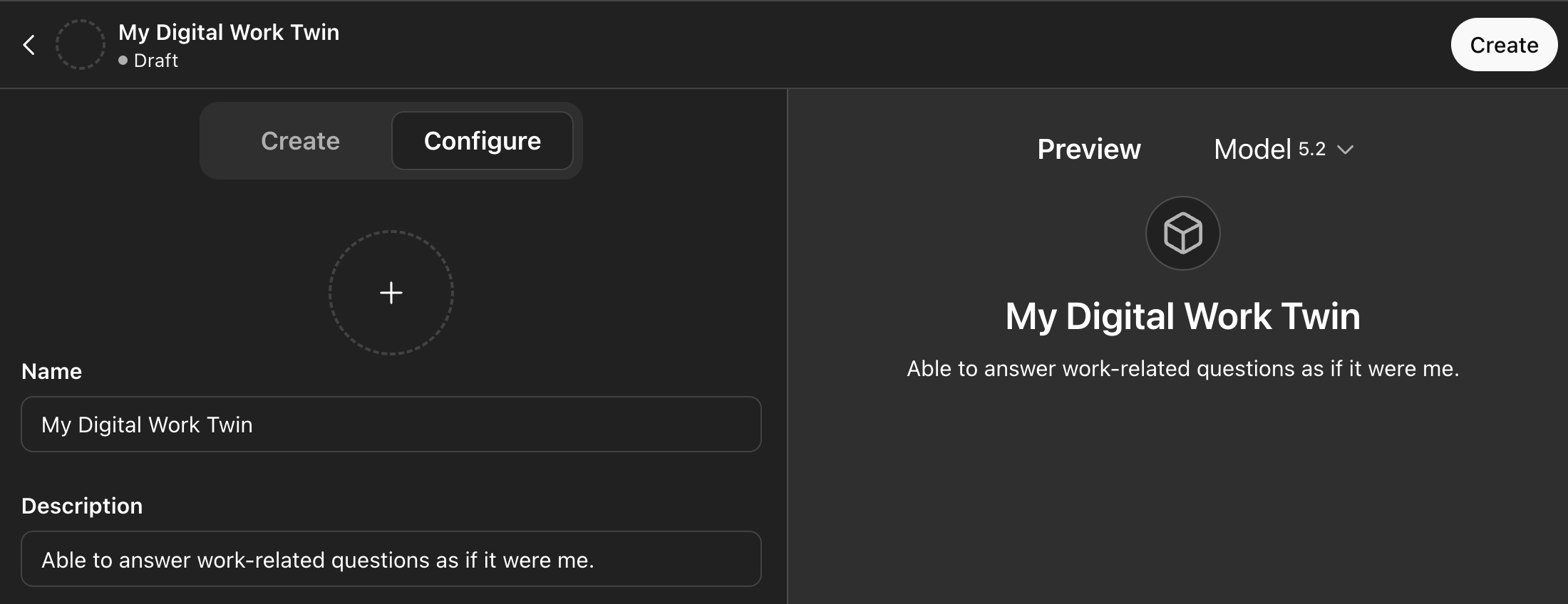
- Paste your scope, decision logic, and constraints into the system instructions
Add these notes to the constraints:
- Answer as a proxy for you
- Ask clarifying questions when context is missing
- State assumptions when making recommendations
You are not teaching facts. You are teaching judgment patterns.
Step 6: Stress Test It Like a Skeptic
Ask it real questions your team asks you today.
Examples:
- “How would you respond to this customer email?”
- “Would you approve this initiative and why?”
- “What risks am I missing here?”
Refine the instructions until the answers feel predictably aligned, even when you disagree with the conclusion.
Alignment beats accuracy.
Where This Breaks Down and Why That’s Fine
Your work twin will not:
- Handle novel ethical dilemmas
- Replace strategic intuition
- Make final calls
That is the point.
It handles the repeatable 60 percent so you can focus on the consequential 10 percent.
AI Prompts
- Create a system prompt that captures my decision-making style at work
- Help me define the scope boundaries for a professional work twin GPT
- Extract my implicit judgment criteria from these past decisions
- Rewrite these instructions so an AI answers like me, not about me
- Test this GPT by simulating skeptical employee questions
Final Thought
A digital work twin is not about automation for its own sake. It is about clarity at scale.
If your team needs you to think, decide, and explain the same things repeatedly, you owe them a better system. A well-built work twin does not dilute leadership. It operationalizes it.
The leaders who win with AI will not start by replacing people. They will start by removing themselves as the bottleneck.
